
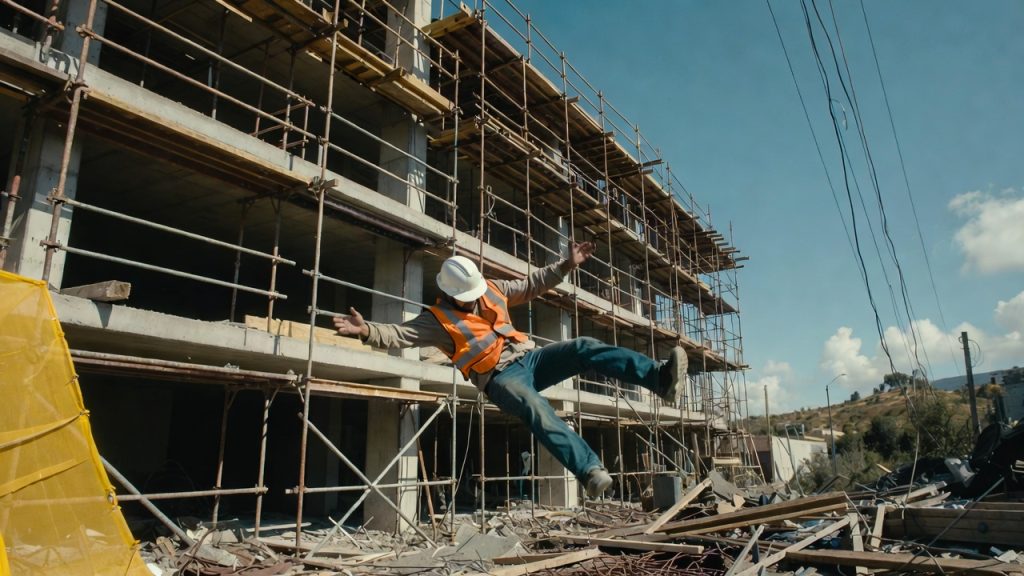
Imagine this: It’s a sweltering afternoon in Southern California, and you’re high up on scaffolding, securing beams for a new high-rise. The sun beats down as you reach for a tool, but suddenly, a loose guardrail gives way. In an instant, you’re falling, the world blurring around you. You hit the ground hard, pain shooting through your back and legs. As coworkers rush to your side, your mind races—not just about the injury, but about how you’ll pay the bills, support your family, and get back on your feet. This scenario isn’t just a story; it’s the harsh reality for thousands of construction workers in California each year who face life-altering accidents on the job.
If you’re searching for “workers’ compensation for construction site accidents in California” or wondering “what to do after a construction accident in California,” you’re not alone. Construction sites are among the most dangerous workplaces, with hazards lurking in every corner. But the good news is that California’s robust workers’ compensation system is designed to protect injured workers like you, providing essential benefits without the need to prove fault. At Laguna Law Firm, we specialize in helping injured construction workers navigate this process to secure the compensation they deserve. In this comprehensive guide, we’ll break down everything you need to know—from common accidents and benefits to filing claims and why hiring a construction injury lawyer in California can make all the difference.
Understanding Workers’ Compensation Laws for Construction Accidents in California
California’s workers’ compensation system is a no-fault insurance program mandated by law for all employers, including those in the construction industry. Under California Labor Code Section 3700, every employer must carry workers’ comp insurance to cover medical expenses, lost wages, and rehabilitation for job-related injuries. For construction workers, this is crucial because the industry tops the charts for workplace fatalities and injuries—79 fatal incidents in 2021 alone, many from falls, electrocutions, and equipment mishaps.
What makes California’s system unique? It’s built on the “exclusive remedy” doctrine, meaning you generally can’t sue your employer for negligence if they’re insured. Instead, you file a claim for benefits, regardless of who caused the accident. This streamlines the process but can limit additional damages like pain and suffering—unless a third party (like a subcontractor or equipment manufacturer) is at fault, opening the door to a personal injury lawsuit.
Cal/OSHA (California’s Occupational Safety and Health Act) enforces strict safety standards on construction sites, from proper scaffolding to electrical safeguards. Violations can strengthen your claim, but navigating these regulations requires expertise. If you’ve been hurt, understanding “workers’ comp laws for construction injuries in California” starts here: Report your injury within 30 days, and file your claim within one year to avoid denial.
Think of it like building a sturdy foundation—get the basics right, and your recovery stands strong. But if your claim involves cumulative trauma (like repetitive strain from years of heavy lifting), things get trickier, as these now make up over 16% of claims and often lead to litigation.
Common Types of Construction Site Accidents and Injuries in California
Construction sites are bustling hubs of activity, but they’re also rife with dangers. According to recent data, falls remain the most common and deadliest accident, accounting for nearly 38% of fatalities in the sector. Picture a worker slipping from unstable scaffolding due to missing guardrails or poor assembly—it’s a scenario that plays out too often, leading to broken bones, spinal injuries, or traumatic brain damage.
Other frequent culprits include electrocutions from contact with power lines, struck-by incidents where falling objects or heavy machinery pin workers, and slips or trips over debris. Trench collapses bury workers alive, while faulty equipment—like malfunctioning cranes or unguarded machinery—causes lacerations, amputations, and crush injuries. In California, where urban development booms, these risks are amplified by tight deadlines and multi-contractor sites.
Long-term issues, such as musculoskeletal disorders from repetitive motions or exposure to hazardous materials, also qualify as “construction site injuries eligible for workers’ comp in California.” If you’re dealing with back strain from constant bending or respiratory problems from dust inhalation, these cumulative injuries can be just as debilitating as a single fall.
Knowing the common accidents helps when searching for “most frequent construction accidents in California and compensation”—it empowers you to document details early, strengthening your claim.
Benefits Available Under Workers’ Compensation for Injured Construction Workers
When an accident strikes, California’s workers’ comp benefits act as a lifeline. The system covers medical care, wage replacement, and more, ensuring you focus on healing rather than finances.
First up: Medical treatment. This includes everything from emergency room visits and surgeries to physical therapy and medications—fully covered if related to your injury. For a construction worker with a fractured leg, this might mean ongoing rehab to regain mobility.
Next, temporary disability benefits kick in if you’re off work for more than three days, paying about two-thirds of your average weekly wages (up to a state maximum). If your injury leaves permanent limitations—like reduced lifting capacity—permanent disability benefits provide long-term support, potentially for life if totally disabled.
Don’t overlook supplemental job displacement benefits, a voucher up to $6,000 for retraining if you can’t return to your old role. And in tragic cases, death benefits support dependents, paid at the temporary disability rate but no less than $224 weekly.
For those Googling “benefits for construction injury under workers’ comp in California,” remember: These are your rights, but maximizing them often requires proving the injury’s work-related nature.
Step-by-Step Guide: How to File a Workers’ Comp Claim for a Construction Injury in California
Filing a claim doesn’t have to be overwhelming. Here’s a clear roadmap for “how to file workers’ comp claim after construction accident in California.”
- Report the Injury Immediately: Notify your employer within 30 days—verbally or in writing—to avoid denial. Document the conversation.
- Seek Medical Attention: Get treated right away, even if it’s not an emergency. Tell the doctor it’s work-related.
- Obtain and Complete the DWC-1 Form: Your employer must provide this within one day. Fill out the employee section, detailing the injury, and return it via certified mail.
- Employer Submits to Insurer: They forward it to their insurance company, who has 90 days to accept or deny.
- Monitor and Appeal if Needed: If denied, you have one year from the injury to file an application with the Workers’ Compensation Appeals Board.
Pro tip: Keep records of all medical visits, communications, and expenses. This process ensures “timely workers’ comp filing for construction workers in California,” but delays or incomplete info can derail it.
Overcoming Challenges in Workers’ Comp Claims for Construction Accidents
Claims aren’t always smooth sailing. Common hurdles include denied claims due to late reporting, lack of medical evidence, or disputes over employment status (e.g., misclassified as independent contractors). Cumulative trauma claims are rising, often filed post-employment and leading to attorney involvement in 40% of indemnity cases.
Other issues: Employers blaming pre-existing conditions, inadequate benefits for high-wage earners, or resistance to return-to-work accommodations. In construction, where safety violations are common, proving Cal/OSHA breaches can help, but litigation is on the uptick.
If you’re facing “challenges with denied workers’ comp for construction injury in California,” don’t go it alone. Appeals and hearings require strong evidence—medical reports, witness statements, and expert testimony.
Why Hire a Workers’ Comp Lawyer for Your Construction Accident in California
You might think, “Do I need a lawyer for workers’ comp after construction accident?” The answer: Absolutely, especially for complex cases. A skilled attorney navigates the system, maximizes benefits, and handles denials or third-party claims.
Benefits of hiring include: Thorough investigations to identify liable parties, negotiating better settlements (often higher than self-represented claims), and ensuring compliance with deadlines. For instance, if a subcontractor’s negligence caused your fall, a lawyer can pursue additional compensation beyond workers’ comp.
At Laguna Law Firm, our team has helped countless injured workers secure full medical coverage, lost wages, and even retraining vouchers. We understand the unique risks of construction and fight for your rights without upfront costs— we only get paid if you win.
About Laguna Law Firm: Your Trusted Partner in Workers’ Compensation
Based in Mission Viejo, Laguna Law Firm is dedicated to supporting injured construction workers across California. With years of experience in workers’ comp and personal injury, we provide personalized legal help tailored to your needs. Contact us at (949) 930-1386 or visit lagunalawfirm.com for a free consultation. We’re here to turn your setback into a comeback.
Conclusion: Take Action Today for the Compensation You Deserve
Construction site accidents in California can upend your life, but workers’ compensation offers a path to recovery. From understanding your rights to filing claims and overcoming obstacles, knowledge is power. If you’re an injured worker seeking legal help in California, don’t wait—delays can cost you benefits.
Reach out to Laguna Law Firm today. Call (949) 930-1386 or visit lagunalawfirm.com to schedule your free case review. Remember, you’re not just a worker; you’re entitled to justice and support. Let’s build a stronger future together.
 Spanish
  English