
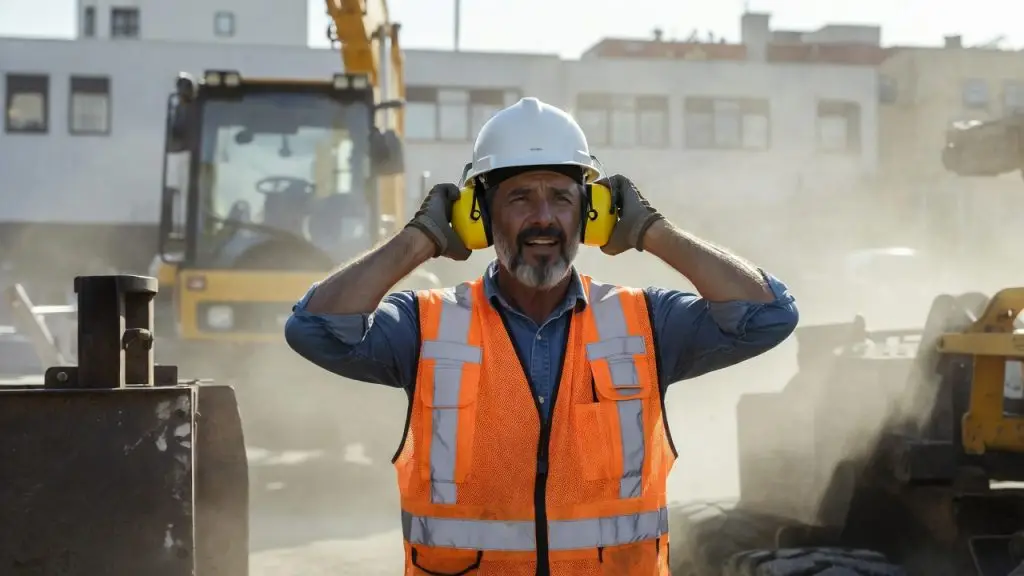
En las bulliciosas industrias de California, desde las obras de construcción en Los Ángeles hasta las plantas manufactureras en el Valle Central, los trabajadores se enfrentan a una amenaza silenciosa que puede cambiar sus vidas para siempre: la pérdida de audición inducida por el ruido. Imagina registrar tu entrada todos los días al estruendo de la maquinaria, solo para darte cuenta años después de que las conversaciones con tus seres queridos se han vuelto forzadas, o que la simple alegría de escuchar el canto de los pájaros se ha desvanecido. Si eres un trabajador lesionado que busca “compensación para trabajadores por pérdida de audición en California”, no estás solo. La pérdida de audición ocupacional afecta a miles de californianos anualmente, y comprender cómo calificar para los beneficios puede ser la clave para recuperar tu salud y estabilidad financiera.
En Laguna Law Firm, nos especializamos en ayudar a trabajadores como usted a navegar las complejidades del sistema de compensación para trabajadores de California. Como bufete de abogados dedicado a la compensación de trabajadores en el Condado de Orange, hemos visto de primera mano cómo los ’reclamos de compensación para trabajadores por pérdida de audición inducida por ruido’ pueden brindar apoyo esencial para tratamientos médicos, salarios perdidos y más. En esta guía completa, exploraremos todo, desde las causas del daño auditivo en el lugar de trabajo hasta los criterios de elegibilidad, los procesos de presentación y por qué asociarse con un “abogado de compensación de trabajadores por pérdida de audición en California” con experiencia puede marcar la diferencia. Ya sea que esté lidiando con tinnitus por el ruido de una fábrica o sordera parcial por años en un sitio de trabajo ruidoso, este artículo está diseñado para usted: el trabajador dedicado que busca ayuda legal para lesiones ocupacionales.
Entendiendo la Pérdida Auditiva Ocupacional: Una Epidemia Silenciosa en los Lugares de Trabajo de California
La pérdida auditiva ocupacional, a menudo denominada pérdida auditiva inducida por ruido (NIHL, por sus siglas en inglés), es una de las lesiones laborales más comunes en los Estados Unidos, y California no es la excepción. Según los Centros para el Control y la Prevención de Enfermedades (CDC, por sus siglas en inglés), aproximadamente 22 millones de trabajadores están expuestos a niveles de ruido peligrosos cada año, lo que provoca daños irreversibles. En California, industrias como la construcción, la minería, la agricultura y el entretenimiento amplifican este riesgo, haciendo de la “pérdida de audición por ruido en el lugar de trabajo” una preocupación principal para la seguridad de los empleados.
¿Qué causa exactamente esta afección? La exposición prolongada a ruidos por encima de los 85 decibelios (dB) –piensa en martillos neumáticos a 130 dB o líneas de montaje de fábricas a 90-100 dB– daña las delicadas células ciliadas del oído interno. Con el tiempo, esto lleva a síntomas como audición amortiguada, zumbido en los oídos (tinnitus), dificultad para entender el habla en ambientes ruidosos e incluso pérdida total de audición. Para muchos trabajadores, no es un evento repentino sino un deterioro gradual, por eso las reclamaciones por “compensación laboral por pérdida auditiva gradual California” son tan frecuentes.
Considera la historia de Miguel, un ejemplo ficticio pero muy real basado en casos que hemos manejado en Laguna Law Firm. Miguel pasó 15 años operando maquinaria pesada en una obra de construcción en Mission Viejo. El estruendo constante de las excavadoras y las herramientas eléctricas no era solo ruido de fondo; estaba erosionando su audición. A los 50 años, le costaba oír la risa de sus nietos y tenía que leer los labios durante las cenas familiares. Cuando buscó “cómo calificar para compensación de trabajadores por pérdida de audición en California”, descubrió que su condición se consideraba una lesión por trauma acumulativo según la ley estatal. Historias como la de Miguel resaltan por qué el reconocimiento temprano es crucial, y por qué buscar “ayuda legal para la pérdida de audición inducida por ruido” cuanto antes mejor puede proteger tus derechos.
La Administración de Seguridad y Salud Ocupacional de California (Cal/OSHA) exige programas de conservación auditiva para los empleadores cuando el ruido excede los niveles seguros, lo que incluye proporcionar protección auditiva y realizar pruebas audiométricas regulares. Sin embargo, el cumplimiento no siempre es perfecto, lo que genera lesiones prevenibles. Si ha experimentado “beneficios por daño auditivo en el lugar de trabajo por ruido”, sepa que la compensación para trabajadores cubre no solo accidentes repentinos sino también exposiciones repetitivas a lo largo del tiempo.
Causas clave de la pérdida auditiva en industrias de alto riesgo en California
Para optimizar tu búsqueda de “compensación por pérdida auditiva ocupacional en California”, es esencial identificar si tu trabajo entra en una categoría de alto riesgo. La diversa economía de California implica variados riesgos de exposición:
- Construcción y DemoliciónLos trabajadores que manejan herramientas eléctricas, explosivos o maquinaria pesada sufren agresiones diarias en su audición. Las búsquedas de cola larga como “proceso de reclamación de indemnización para trabajadores con pérdida de audición en la construcción” suelen conducir aquí porque estos roles implican ráfagas intermitentes de alto decibelio.
- Manufactura y FábricasLas líneas de ensamblaje con prensas automáticas o amoladoras de metal crean un ruido sostenido. En lugares como el Inland Empire, “beneficios por pérdida de audición por ruido de fábrica en California” es una consulta común entre los empleados afectados.
- Agricultura y GanaderíaLos motores de tractores, secadoras de granos y equipos de manejo de ganado contribuyen a los problemas de audición rurales. Los trabajadores agrícolas en el Valle Central podrían buscar “compensación por daño auditivo para trabajadores agrícolas” después de años de exposición sin protección.
- Entretenimiento y MúsicaLos técnicos de sonido, el personal de conciertos, o incluso los equipos de tierra en aeropuertos de centros concurridos como LAX lidian con sonidos amplificados. Las reclamaciones por “indemnización laboral por pérdida auditiva de músicos en California” van en aumento a medida que crece la conciencia.
- Transporte y LogísticaLos camioneros, los operadores de almacén y los mecánicos soportan el rugido de los motores y los compresores de aire. Consultas como “ayuda legal por pérdida de audición inducida por ruido de camionero” reflejan las vulnerabilidades de este grupo.
Más allá de la industria, factores como el equipo de protección personal (EPP) inadecuado, la falta de capacitación o la negligencia del empleador exacerban los riesgos. Si su pérdida auditiva se deriva de esto, podría calificar para beneficios bajo la Sección 5412 del Código Laboral de California, la cual reconoce lesiones acumulativas. Demostrar la causalidad requiere evidencia médica, como audiogramas que muestren cambios en los umbrales, y es aquí donde un “mejor abogado de compensación laboral por pérdida auditiva en Orange County” como los de Laguna Law Firm puede ayudar a recopilar la documentación.
Leyes de Compensación para Trabajadores de California por Pérdida Auditiva: Lo que necesita saber
El sistema de compensación para trabajadores de California está diseñado para ser sin culpa, lo que significa que no tiene que probar la negligencia del empleador para recibir beneficios, solo que la lesión surgió de su empleo. Para ’la pérdida auditiva por ruido en el lugar de trabajo que califica para beneficios“, la clave es demostrar que su condición está relacionada con el trabajo y ha resultado en una discapacidad.
Bajo las directrices de la Junta de Apelaciones de Compensación para Trabajadores de California (WCAB, por sus siglas en inglés), la pérdida auditiva se califica utilizando las Guías de la American Medical Association (AMA) para la Evaluación de la Incapacidad Permanente. Se calcula una calificación de incapacidad permanente (PIR, por sus siglas en inglés) basada en pruebas de audiometría de tono puro en las frecuencias de 500, 1000, 2000 y 3000 Hz. Si su incapacidad auditiva binaural excede el 10%, usted podría ser elegible para pagos por incapacidad permanente.
Palabras clave de cola larga como “elegibilidad para la compensación de trabajadores por pérdida de audición debido a exposición al ruido en California” indican criterios específicos:
- Diagnóstico médicoUn evaluador médico calificado (QME, por sus siglas en inglés) debe confirmar la HIPOACUSIA NEUROSENSORIAL INDUCIDA POR RUIDO (NIHL, por sus siglas en inglés) mediante pruebas que muestren pérdida neurosensorial, a menudo simétrica en ambos oídos.
- Exposición laboral: Evidencia de exposición prolongada al ruido en el trabajo, como descripciones de puestos, informes de niveles de ruido o testimonios de colegas.
- Reporte oportuno: Informe la lesión a su empleador dentro de los 30 días posteriores a darse cuenta de que está relacionada con el trabajo; sin embargo, las lesiones acumulativas tienen un plazo de prescripción de un año a partir de la fecha de la última exposición perjudicial o del consejo médico que la relacione con el trabajo.
- Sin Condiciones PreexistentesIncluso si tuviera problemas de audición previos, el empeoramiento por el trabajo puede calificarlo para “beneficios de compensación para trabajadores por pérdida de audición agravada en California”.”
Las ventajas incluyen:
- Tratamiento médicoCobertura para audífonos, implantes cocleares, visitas de audiología y cirugías.
- Incapacidad temporal (TD)Hasta dos tercios de tu salario semanal promedio si no puedes trabajar a causa de una recuperación.
- Discapacidad permanente (DP): Pagos fijos o semanales basados en tu calificación de discapacidad, edad y ocupación. Por ejemplo, un PIR de 20% podría generar miles en compensación.
- Rehabilitación profesionalCapacitación para nuevos trabajos si la pérdida auditiva impide regresar a tu antiguo puesto.
En términos creativos, piensa en la compensación laboral como una red de seguridad tejida con leyes estatales, que te atrapa cuando los peligros en el lugar de trabajo te quitan el suelo. Pero navegar por las denegaciones de reclamaciones o las disputas requiere experiencia, por eso ’contratar a un abogado de compensación laboral por pérdida auditiva ocupacional en California“ suele ser la decisión más inteligente.
Cómo calificar y presentar un reclamo de compensación para trabajadores por pérdida auditiva en California
Calificar para los “beneficios de compensación para trabajadores por pérdida de audición inducida por ruido” comienza con la acción. Aquí tienes una guía paso a paso optimizada para quienes buscan “guía paso a paso para presentar un reclamo por pérdida de audición en California workers comp”:
- Acuda al médicoVisite a un especialista en otorrinolaringología (ORL) o a un audiólogo de inmediato. Documente los síntomas y solicite pruebas para establecer una pérdida auditiva de referencia.
- Notifica a tu empleadorPresente un informe escrito detallando la lesión. Utilice el formulario DWC-1 de California para iniciar el reclamo.
- Presentar la reclamaciónTu empleador proporciona el formulario; entrégalo a su aseguradora. Si es denegado, apela ante el WCAB.
- Recopilar pruebas: Reúna los talones de pago, los registros de exposición al ruido y las declaraciones de testigos. Para búsquedas de cola larga como “evidencia necesaria para compensación por daño auditivo en el lugar de trabajo California”, los informes médicos son de oro.
- Asistir a EvaluacionesParticipar en exámenes médicos independientes (IMEs) para evaluar el grado de incapacidad.
Los desafíos abundan: las aseguradoras pueden argumentar que la pérdida está relacionada con la edad o proviene de fuentes ajenas al trabajo. ¿Una analogía creativa? Es como armar un rompecabezas donde algunas piezas están ocultas, y un abogado las descubre. En Laguna Law Firm, hemos convertido reclamaciones denegadas en éxitos desafiando evaluaciones erróneas.
Caso hipotético: Sarah, supervisora de almacén en el condado de Orange, notó una disminución de la audición después de una década en medio de los pitidos de las carretillas elevadoras y las cintas transportadoras. Su reclamación fue rechazada inicialmente por ser “no industrial”. Con nuestra ayuda, obtuvimos el testimonio de expertos que vinculaba las exposiciones de 90 dB con su deterioro auditivo%, lo que resultó en una indemnización por incapacidad parcial permanente (PD) de $50.000, además de audífonos.
Desafíos Comunes y Mitos en Reclamaciones de Compensación para Trabajadores por Pérdida de Audición
Los mitos pueden disuadir a los trabajadores de buscar “asistencia legal para la pérdida auditiva debida al ruido laboral en California”. Desmontémoslos:
- Mito: La pérdida auditiva no es compensable si es gradualFalso – el trauma acumulado está cubierto.
- Mito: Necesitas sordera totalLa pérdida parcial califica si afecta el trabajo.
- Mito: Las barras de retiro invalidan las reclamacionesPuede presentar una solicitud después de la jubilación si estuvo expuesto durante el empleo.
Los desafíos incluyen probar la causalidad sin expedientes o enfrentar la aplicación de la ley (reducir los beneficios por factores no laborales). ¿Soluciones creativas? Utilizar historiales de violaciones de Cal/OSHA o estudios ergonómicos para fortalecer los casos.
¿Por qué elegir un abogado especializado en compensación para trabajadores para su reclamo por pérdida auditiva?
¿Buscas un “abogado de compensación para trabajadores por pérdida de audición inducida por ruido en el Condado de Orange”? La experiencia es fundamental. En Laguna Law Firm, nuestro equipo comprende los matices de la ley de California, desde las complejidades del Código Laboral hasta los precedentes del WCAB. Ofrecemos consultas gratuitas, sin honorarios por adelantado y un historial comprobado en maximizar beneficios.
No lo enfrentes solo: las aseguradoras tienen equipos; tú también mereces uno. Ya sea para negociar acuerdos o tramitar apelaciones, estamos aquí para amplificar tu voz.
Conclusión: Da el primer paso hacia la recuperación y la compensación
La pérdida auditiva por ruido laboral no tiene por qué silenciar tu futuro. Si eres un trabajador lesionado en California y te preguntas “¿califico para beneficios por pérdida auditiva ocupacional?”, la respuesta suele ser sí con la orientación adecuada. Desde comprender las causas hasta presentar reclamaciones, esta guía te empodera para actuar.
Contacte a Laguna Law Firm hoy mismo para recibir ayuda legal personalizada. Llame al (949) 930-1386 o visite lagunalawfirm.com para programar su consulta gratuita. Ubicados en Mission Viejo, estamos comprometidos a luchar por los trabajadores del Condado de Orange como usted. Recuerde, su audición puede estar afectada, pero sus derechos no. Asegurémonos de que reciba la compensación que merece.