
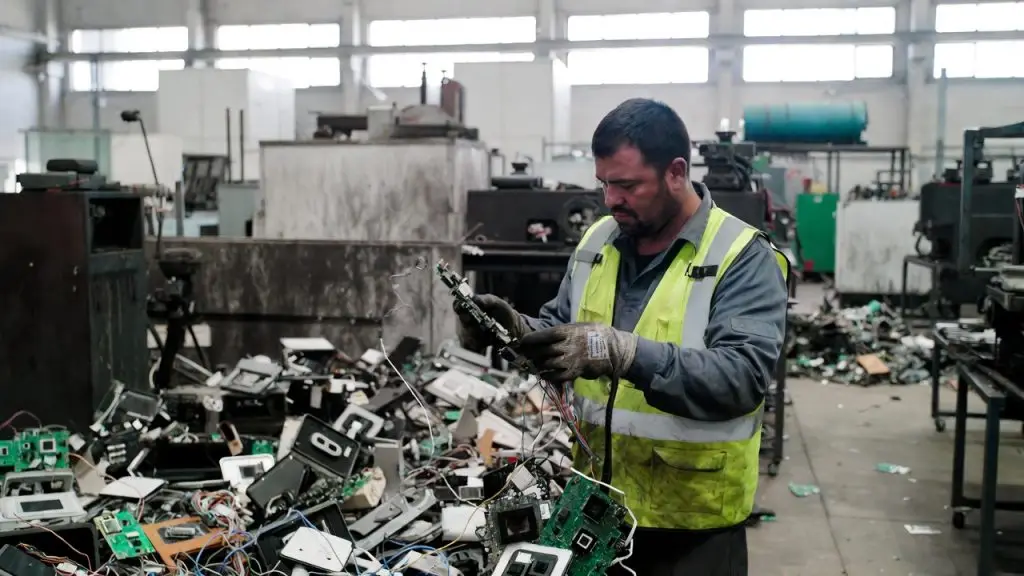
En el vertiginoso mundo de la economía verde de California, el reciclaje de productos electrónicos juega un papel vital en la reducción de residuos electrónicos y la promoción de la sostenibilidad. Pero detrás de escena, los trabajadores de esta industria enfrentan graves riesgos todos los días, desde el manejo de materiales peligrosos hasta la operación de maquinaria pesada. Imagina clasificar montones de computadoras y teléfonos inteligentes desechados, solo para sufrir una lesión debilitante por un borde afilado o exposición tóxica. Si te has lesionado en un accidente de reciclaje de productos electrónicos en California, no estás solo, y los beneficios de compensación para trabajadores podrían ser tu salvavidas para recuperarte.
En Laguna Law Firm, nos especializamos en ayudar a los trabajadores lesionados a navegar por las complejidades de las reclamaciones de compensación para trabajadores por lesiones en el reciclaje de productos electrónicos en California. Ya sea una caída en un piso desordenado o problemas de salud a largo plazo por exposición a productos químicos, comprender sus derechos es crucial. En esta guía completa, exploraremos los peligros comunes, cómo presentar una reclamación de compensación para trabajadores después de una lesión en el reciclaje de productos electrónicos en California, los beneficios disponibles y por qué asociarse con abogados con experiencia como nosotros puede marcar la diferencia. Si está buscando ’compensación para trabajadores por accidentes de reciclaje de productos electrónicos en California’, esta publicación está diseñada para brindarle las respuestas que necesita para proteger su futuro.
La creciente industria de reciclaje de electrónica en California y sus peligros ocultos
California lidera la nación en iniciativas ambientales, con estrictas leyes de desechos electrónicos que exigen el reciclaje adecuado de aparatos electrónicos para evitar que materiales tóxicos terminen en vertederos. El estado procesa millones de toneladas de desechos electrónicos anualmente, empleando a miles de personas en instalaciones que desmantelan, trituran y recuperan componentes valiosos de dispositivos como televisores, computadoras portátiles y teléfonos celulares. Si bien esta industria apoya empleos y la sostenibilidad, conlleva peligros ocupacionales significativos que a menudo provocan lesiones en el lugar de trabajo.
Los trabajadores en las instalaciones de reciclaje de electrónicos manejan de todo, desde placas de circuito cargadas de metales pesados hasta monitores voluminosos que requieren levantamiento pesado. Según expertos en seguridad, el sector del reciclaje tiene una de las tasas de lesiones más altas en California, con trabajadores que sufren esguinces, torceduras, cortes y problemas más graves como quemaduras químicas o problemas respiratorios. Si te has lastimado, conocer las “lesiones comunes en la industria de reciclaje de electrónicos en California” puede ayudarte a reconocer cuándo buscar ayuda legal. Estos riesgos no son solo estadísticas, afectan a personas reales y el sistema de compensación para trabajadores de California está diseñado para brindar apoyo sin necesidad de probar culpabilidad.
Pero, ¿por qué el reciclaje de productos electrónicos es tan peligroso? El proceso implica desmantelar dispositivos que contienen plomo, mercurio, cadmio y otras toxinas. Los trabajadores pueden inhalar polvo de las operaciones de trituración o sufrir cortes por vidrio roto y metales afilados. Los movimientos repetitivos, como clasificar artículos en cintas transportadoras, pueden provocar lesiones ergonómicas con el tiempo. De hecho, un estudio destacó que el reciclaje de desechos electrónicos expone a los empleados a niveles peligrosos de ruido, polvo y metales como plomo y cadmio en su sangre. Para aquellos que preguntan sobre “lesionados en el trabajo en una planta de reciclaje de productos electrónicos en California”, estos peligros subrayan la importancia de tomar medidas inmediatas para asegurar beneficios.
Accidentes y lesiones comunes en entornos de trabajo de reciclaje de electrónicos
Los accidentes de reciclaje de productos electrónicos en California a menudo provienen de la combinación única de trabajo manual y exposición a sustancias nocivas. Analicemos algunos de los incidentes y lesiones más frecuentes, optimizados para quienes buscan “compensación laboral por accidentes comunes en reciclaje de productos electrónicos California”.”
- Cortes y laceraciones: Manipular pantallas rotas, cableado y componentes metálicos puede resultar en cortes profundos. Los trabajadores reportan rasguños y pinchazos por bordes afilados, que a veces requieren puntos de sutura o provocan infecciones. En una encuesta, el 43% de los trabajadores de reciclaje experimentaron tales lesiones.
- Exposiciones y quemaduras químicasLos desechos electrónicos contienen químicos peligrosos como ácidos utilizados en la extracción de metales. Los derrames accidentales pueden causar quemaduras, mientras que la inhalación de vapores provoca problemas respiratorios o padecimientos de salud a largo plazo como la intoxicación por plomo. Las leyes de California sobre residuos peligrosos prohíben su eliminación inadecuada, pero la exposición en el lugar de trabajo sigue siendo un riesgo.
- Lesiones Musculoesqueléticas: Heavy lifting of monitors or bales of materials often causes back strains, knee injuries, or repetitive strain disorders. Over 57% of workers in similar industries report back and knee problems, making “ergonomic injuries in recycling jobs California” a top search for affected individuals.
- Lesiones por aplastamiento y amputaciónMaquinaria como trituradoras y empacadoras pueden funcionar mal, lo que provoca aplastamientos o amputaciones. Estos son particularmente graves en entornos similares a los de fabricación, donde el contacto con el equipo es una causa principal de daño.
- Resbalones, tropiezos y caídasLos pisos desordenados con escombros aumentan el riesgo de caídas, especialmente en entornos de ritmo rápido. Los pinchazos de aguja por objetos desechados incorrectamente añaden otra capa de peligro.
- Pérdida de audición inducida por ruido y otros problemas sensorialesEl ruido constante de la maquinaria puede superar los niveles seguros, provocando daños auditivos permanentes.
Estas lesiones no son raras; la industria del reciclaje presenta tasas más del doble que las de otros sectores. Si ha sufrido alguna de estas, buscar “beneficios de compensación laboral por lesiones en reciclaje CA” es un primer paso inteligente. El sistema de California cubre a casi todos los trabajadores, brindando atención médica, reemplazo de salarios y más, independientemente de la culpa.
Entendiendo los beneficios de compensación para trabajadores por lesiones en el reciclaje de electrónicos en California
El sistema de compensación para trabajadores de California, establecido hace más de 90 años, garantiza beneficios rápidos por lesiones relacionadas con el trabajo sin largos litigios. Para aquellos lesionados en accidentes de reciclaje de productos electrónicos en California, los beneficios incluyen:
- Tratamiento médicoTodos los cuidados necesarios, desde visitas de emergencia hasta terapia continua, están cubiertos sin deducibles. Esto es crucial para exposiciones tóxicas que requieren tratamiento especializado.
- Prestaciones por incapacidad temporal (TD)Si no puedes trabajar, recibes aproximadamente dos tercios de tu salario semanal promedio, hasta un máximo, por hasta dos años a partir del primer pago.
- Prestaciones por incapacidad permanente (PD)Para las incapacidades duraderas, como la movilidad reducida por una lesión de espalda, recibes una indemnización basada en un porcentaje de discapacidad.
- Rehabilitación Profesional o Beneficios Complementarios por Desplazamiento LaboralSi no puedes regresar a tu antiguo trabajo, los vales para capacitación te ayudan a hacer la transición.
- Prestaciones por fallecimientoPara accidentes fatales, los dependientes reciben apoyo.
Los empleadores en California deben tener un seguro de compensación para trabajadores, incluso si tienen un solo empleado, lo que lo hace obligatorio para las instalaciones de reciclaje. Existen programas especializados para recicladores que cubren riesgos como la exposición a sustancias tóxicas. Si te preguntas ’qué beneficios obtengo por una lesión en el reciclaje de productos electrónicos en California“, recuerda que las demoras pueden poner en peligro tu reclamo: actúa rápido.
Guía paso a paso: Cómo presentar una reclamación de compensación para trabajadores después de una lesión en el reciclaje de productos electrónicos en California
Presentar un reclamo de compensación para trabajadores por una lesión en el lugar de trabajo en el reciclaje de productos electrónicos en California no tiene por qué ser abrumador. Aquí tienes una guía detallada para aquellos que buscan ’cómo presentar un reclamo de compensación para trabajadores por una lesión en el reciclaje de productos electrónicos en California“.”
- Notifique la lesión de inmediatoNotifique a su supervisor lo antes posible, idealmente dentro de los 30 días, para evitar perder derechos. Incluso las enfermedades graduales por exposición cuentan.
- Obtenga el Formulario de Reclamación (DWC-1)Su empleador debe entregarle el Formulario DWC-1 dentro de un día hábil. Si no lo hace, descárguelo del sitio web de la División de Compensación para Trabajadores (DWC).
- Complete y envíe el formularioComplete la sección del empleado, detallando la lesión, fecha y partes del cuerpo afectadas. Devuélvalo a su empleador en persona o por correo certificado para tener constancia.
- Busque atención médica: Busca atención médica de emergencia si es necesario, luego consulta a un médico autorizado. Tu empleador debería autorizar la atención una vez que se presente la reclamación.
- Presentar un archivo ante la Junta de Apelaciones de Compensación para Trabajadores (WCAB) si es necesarioSi se deniega o retrasa, presente una Solicitud de Adjudicación de Reclamación dentro de un año de la lesión.
- Rastrear tu reclamoLa aseguradora tiene 90 días para aceptar o denegar. Si es aceptado, los beneficios comienzan; si es denegado, apele con la ayuda de un abogado.
Para “qué hacer tras una lesión en un trabajo de reciclaje de electrónicos en California”, documentar todo —fotos de la escena, declaraciones de testigos— es clave. No firmes nada sin entenderlo y considera buscar asesoría legal cuanto antes.
Por qué necesitas un abogado de compensación para trabajadores para accidentes de reciclaje de electrónicos en California
Si bien el sistema sin culpa de California parece sencillo, las reclamaciones que involucran lesiones por reciclaje de productos electrónicos a menudo enfrentan disputas sobre la causalidad o la gravedad, especialmente con traumas acumulativos. Las compañías de seguros pueden minimizar las exposiciones a toxinas o argumentar afecciones preexistentes.
Ahí es donde entra Laguna Law Firm. Como expertos en compensación para trabajadores por accidentes de reciclaje electrónico en California, luchamos por obtener los máximos beneficios. Hemos ayudado a clientes a asegurar cobertura médica para tratamientos de intoxicación por plomo y beneficios por incapacidad temporal durante su recuperación de lesiones por aplastamiento. Nuestro equipo comprende los matices de la industria, desde los estándares de OSHA hasta las regulaciones específicas del estado para desechos electrónicos.
Contratar a un abogado aumenta tus posibilidades de obtener un resultado favorable. Nosotros nos encargamos del papeleo, negociamos acuerdos y te representamos en audiencias. Para aquellos que buscan “contratar abogado para indemnización laboral por lesión en reciclaje CA”, te informamos que ofrecemos consultas gratuitas, sin honorarios iniciales, ya que trabajamos a comisión.
Escenarios de la vida real: Historias de lesiones por reciclaje de productos electrónicos y lecciones aprendidas
Para ilustrar, considera a María, una clasificadora en una instalación del sur de California. Sufrió una distensión repetitiva en las muñecas por el manejo constante de componentes. Inicialmente negada, su reclamación fue aprobada después de que presentamos evidencia médica que la vinculaba a su trabajo, asegurando beneficios de incapacidad permanente (PD).
O tomemos a Juan, quien inhaló vapores tóxicos durante un accidente con una trituradora, lo que le provocó problemas respiratorios. Nuestra investigación reveló ventilación inadecuada, lo que fortaleció su caso para una cobertura médica completa.
Estas historias resaltan que las “historias de éxito compensación laboral reciclaje electrónico California” a menudo involucran una defensa experta. Cada caso es único, pero la acción pronta y la documentación son claves universales.
Preguntas frecuentes sobre la compensación para trabajadores en accidentes de reciclaje de electrónica en California
¿Qué pasa si mi lesión se desarrolló con el tiempo debido a la exposición en el reciclaje de productos electrónicos?
Las lesiones acumulativas están cubiertas si están relacionadas con el trabajo. Informe tan pronto como sospeche la conexión.
¿Puedo demandar a mi empleador por un accidente de reciclaje de productos electrónicos en California?
Generalmente no, la compensación para trabajadores es exclusiva. Pero existen excepciones en casos de negligencia grave.
¿Cuánto tiempo tengo para presentar un reclamo de compensación para trabajadores por una lesión en reciclaje en California?
Un año a partir de la fecha de la lesión, pero informe dentro de los 30 días.
¿Los contratistas independientes están cubiertos por compensación para trabajadores en empleos de reciclaje en California?
Depende de la clasificación, pero muchos son reclasificados como empleados para obtener beneficios.
¿Qué pasa si mi reclamo es denegado?
Apelar ante el WCAB con evidencia. Un abogado puede ayudar a revocar las negaciones.
Estas preguntas frecuentes abordan búsquedas comunes como “preguntas frecuentes compensación laboral reciclaje de electrónica accidentes California”, brindando información rápida para trabajadores lesionados.
Protege Tus Derechos: Contacta Hoy a Laguna Law Firm
Los accidentes de reciclaje de productos electrónicos en California pueden cambiarle la vida, pero la compensación para trabajadores ofrece un camino hacia la recuperación. Desde la comprensión de los peligros hasta la presentación de reclamaciones, el conocimiento le da poder. No navegue esto solo: deje que Laguna Law Firm abogue por usted.
Si ha sufrido una lesión, llámenos al (949) 930-1386 o visite lagunalawfirm.com para una consulta gratuita. Estamos aquí para ayudar a los trabajadores de reciclaje lesionados en California a obtener la compensación que merecen. Su salud y seguridad financiera importan: contáctenos hoy.