
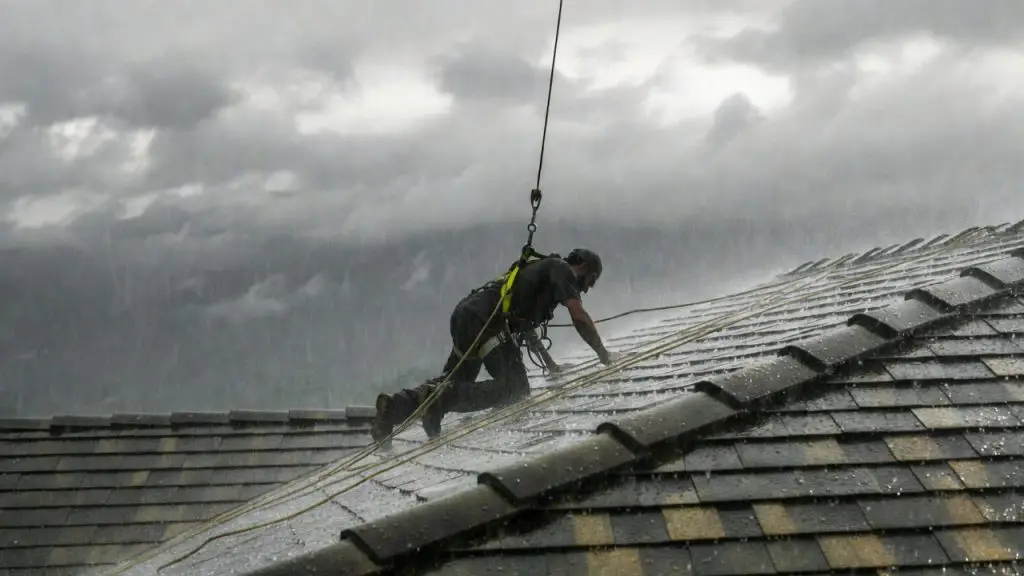
La instalación de techos es uno de los trabajos más peligrosos en la industria de la construcción, y en California, donde el clima soleado y el auge inmobiliario mantienen a los techadores ocupados durante todo el año, los accidentes son, lamentablemente, muy comunes. Si eres un techador que ha sufrido una lesión en el trabajo —ya sea por una caída de una escalera, una caída desde un techo o la exposición a materiales peligrosos—, podrías tener derecho a los beneficios de compensación para trabajadores. Pero navegar por el proceso de reclamación puede ser abrumador, especialmente cuando se lidia con el dolor, las facturas médicas y la pérdida de ingresos. Ahí es donde entender la ’compensación para trabajadores por accidentes de techado en California“ se vuelve crucial. Como trabajador lesionado, conocer tus derechos puede marcar la diferencia a la hora de obtener el apoyo que necesitas.
En esta guía completa, profundizaremos en qué cubre la indemnización por accidentes de trabajo para las lesiones en tejados, cómo presentar una reclamación, los errores comunes que se deben evitar y por qué consultar a un abogado especializado en indemnización por accidentes de trabajo para techadores en California suele ser esencial. Ya sea que esté buscando ’qué hacer después de un accidente de tejado en California’ o “cómo obtener una indemnización por accidente de trabajo por caída de un tejado”, este artículo está diseñado para ayudarlo a dar los primeros pasos hacia la recuperación y la justicia. En Laguna Law Firm, nos especializamos en ayudar a techadores lesionados como usted a obtener los beneficios que merece. Contáctenos hoy mismo al (949) 930-1386 o visite lagunalawfirm.com para una consulta gratuita.
Causas comunes de accidentes en techos en California
Las labores de techado implican alturas, materiales pesados y clima impredecible, lo que las hace propensas a accidentes. Según la División de Seguridad y Salud Ocupacional de California (Cal/OSHA), las caídas son la principal causa de lesiones en techado, representando una parte importante de las reclamaciones de compensación para trabajadores. Pero, ¿qué conduce exactamente a estos percances?
Un factor importante es el equipo de seguridad inadecuado. Los techadores a menudo trabajan sin protección contra caídas adecuada, como arneses o barandillas, especialmente en trabajos residenciales más pequeños donde se pueden tomar atajos para ahorrar tiempo. Búsquedas de cola larga como “accidentes por caídas de techadores debido a arnés defectuoso en California” resaltan cómo el fallo del equipo puede resultar en lesiones graves como fracturas de huesos, daño espinal o traumatismo craneoencefálico.
El clima también juega un papel importantísimo. El diverso clima de California, desde inviernos lluviosos en el norte hasta veranos abrasadores en el sur, puede convertir un trabajo rutinario en un peligro. Los techos resbaladizos después de una tormenta o el agotamiento por calor durante una ola de calor son causas comunes. Por ejemplo, si buscas “compensación laboral por lesiones en techos relacionadas con el calor en California”, debes saber que estas son reclamaciones válidas si tu empleador no proporcionó descansos o hidratación.
Otras causas frecuentes incluyen fallas estructurales, como el derrumbe de techos en edificios antiguos, o la exposición a sustancias tóxicas como el asbesto presente en tejas antiguas. Los peligros eléctricos derivados de las líneas de alta tensión cercanas añaden un riesgo adicional. En zonas urbanas como Los Ángeles o San Francisco, las obras con gran afluencia de personas aumentan la probabilidad de sufrir un impacto por la caída de herramientas o escombros.
Hablando creativamente, imagina a un techador llamado Alex, encaramado en un tejado inclinado en Orange County durante un raro aguacero. Las tejas, resbaladizas por la lluvia, ceden bajo sus botas, sin red de seguridad porque el capataz apresuró el trabajo. Alex cae 20 pies, fracturándose la pierna. Esto no es solo una historia; es una realidad para muchos y subraya por qué “reclamaciones por lesiones de techado California” es un término de búsqueda tan vital. Si esto te suena familiar, la compensación para trabajadores puede cubrir el tratamiento médico, pero solo si actúas rápidamente.
Las estadísticas del California Workers’ Compensation Institute (Instituto de Indemnización por Accidentes Laborales de California) muestran que los accidentes en techos generan costos de reclamación superiores al promedio debido a la gravedad de las lesiones. Tan solo en 2023, miles de techadores presentaron reclamaciones, muchas de ellas relacionadas con discapacidades permanentes. Comprender estas causas no es solo informativo, es un empoderamiento para los trabajadores lesionados que buscan ayuda legal.
Tus derechos en el sistema de compensación para trabajadores de California
California tiene uno de los sistemas de compensación para trabajadores más sólidos del país, diseñado para proteger a los empleados sin necesidad de demostrar culpabilidad. Si te has lesionado en un accidente de techado, es probable que estés cubierto por la ’compensación para trabajadores por accidentes de techado en California“, independientemente de si la lesión fue tu culpa, la de tu empleador o debida a negligencia.
Los derechos clave incluyen cobertura sin culpa: No tienes que demandar a tu empleador para recibir beneficios. Esto cambia las reglas del juego para los techadores, quienes a menudo trabajan para pequeños contratistas donde probar la responsabilidad podría ser difícil. Los beneficios se activan para cualquier lesión relacionada con el trabajo, desde esguinces menores hasta caídas que cambian la vida.
Los pagos por incapacidad temporal reemplazan los salarios perdidos —generalmente dos tercios de tus ganancias semanales promedio— mientras estás fuera del trabajo. Para un techador que gana $$1,000 por semana, eso es aproximadamente $$666 semanales, libres de impuestos. Los beneficios por incapacidad permanente se aplican si no puedes regresar a tus funciones completas, calculados según las calificaciones de discapacidad de los médicos.
La atención médica está totalmente cubierta, incluyendo hospitalizaciones, cirugías, fisioterapia e incluso rehabilitación vocacional si necesitas cambiar de carrera. ¿Buscas “beneficios por discapacidad permanente por caída de tejado en California”? Podrías recibir pagos continuos o una suma global.
Pero los derechos conllevan responsabilidades. Debe informar la lesión a su empleador dentro de los 30 días, aunque idealmente debería hacerlo de inmediato. Las demoras pueden poner en peligro su reclamación. Además, la ley de California exige que los empleadores tengan seguro de compensación para trabajadores; si no lo tienen, aún puede presentar una reclamación a través del Fondo de Beneficios para Empleadores No Asegurados del estado.
Para los trabajadores indocumentados —una preocupación habitual en el sector de la construcción de techos—, la ley de California también los protege. Su situación migratoria no les impide acceder a las prestaciones. Esto es fundamental para quienes buscan en Google “indemnización laboral para techadores indocumentados en California”.”
En un giro creativo, imagina a María, una techadora con experiencia en San Diego, que inhala partículas de fibra de vidrio sin usar mascarillas adecuadas, lo que le provoca problemas respiratorios. Su reclamo cubre visitas especializadas y tiempo perdido, permitiéndole enfocarse en su recuperación en lugar de en las facturas. Historias como estas nos recuerdan que la compensación para trabajadores no es solo papeleo, es un salvavidas.
Guía paso a paso: Cómo presentar un reclamo de compensación para trabajadores por lesiones en techos
Presentar un reclamo después de un accidente en el techo puede parecer abrumador, pero dividirlo en partes ayuda. Si te preguntas “cómo presentar una compensación para trabajadores por caída del techo”, comienza aquí.
Paso 1: Busca atención médica inmediata. Incluso si las lesiones parecen menores, hazte examinar; la adrenalina puede enmascarar el dolor y la documentación es clave.
Paso 2: Notifica a tu empleador por escrito. Usa un formulario sencillo o un correo electrónico detallando la fecha, hora, lugar y cómo ocurrió el accidente. Esto activa su obligación de proporcionarte un formulario de reclamo (DWC-1).
Paso 3: Complete y envíe el formulario DWC-1 dentro de un año después de la lesión, pero cuanto antes, mejor. Describa el incidente con precisión, incluyendo testigos.
Paso 4: Su empleador presenta el formulario a su aseguradora, la cual tiene 14 días para aceptar o denegar. Si se acepta, los beneficios comienzan a fluir.
Paso 5: Si se deniega o se disputa, apele ante la Junta de Apelaciones de Compensación para Trabajadores (WCAB). Aquí es donde un ’abogado de compensación para trabajadores para techadores“ se destaca.
Los desafíos comunes incluyen demoras de las aseguradoras u ofertas a la baja. Por ejemplo, si su lesión de espalda por resbalón en una escalera se minimiza como preexistente, contraataque con evidencia médica.
Alerta de palabra clave de cola larga: “qué hacer si compensación para trabajadores niega un reclamo por accidente de techado en California”. Reúna los registros, consulte a expertos y no vaya solo.
Imagínate a Jake, un techador de Fresno, que presenta un reclamo tras un accidente con una pistola de clavos que le perfora la mano. Documenta todo con fotos y notas del médico, convirtiendo una posible denegación en una aprobación rápida. La preparación da sus frutos.
A lo largo de todo el proceso, mantenga registros: facturas médicas, correos electrónicos, fotografías del lugar del accidente. Si existen barreras idiomáticas (algo común en la diversa fuerza laboral de California), busque ayuda de traducción.
Beneficios disponibles para víctimas de accidentes de techado
Profundizando en los beneficios, la incapacidad total temporal (TTD) cubre la pérdida total de salarios si no puedes trabajar en absoluto. Para un regreso parcial, la incapacidad parcial temporal (TPD) cubre la diferencia.
La incapacidad parcial permanente (IPP) utiliza un sistema de calificación; por ejemplo, una discapacidad del 20% podría generar $más de 20,000 en pagos. ¿Buscas “calcular incapacidad permanente para lesiones de techos California”? Se tienen en cuenta la edad, la ocupación y las ganancias.
Los beneficios suplementarios por desplazamiento laboral (hasta $6,000) ayudan a recapacitar si ya no puedes trabajar en techos. Los beneficios por fallecimiento apoyan a las familias si ocurre una tragedia.
Los beneficios médicos son ilimitados en tiempo y costo si están relacionados con la lesión. Esto incluye atención futura, como terapia continua para una rodilla destrozada por el colapso de un techo.
Para aquellos que buscan “rehabilitación vocacional después de un accidente de techado en California”, sepan que está disponible para que vuelvan a ganar dinero.
Con un toque narrativo, consideremos a Tom, un techador de Sacramento paralizado por el fallo de un andamio. Sus beneficios cubren adaptaciones para la silla de ruedas, atención domiciliaria y reentrenamiento como despachador, transformando la desesperación en un nuevo capítulo.
Cuándo y por qué contratar a un abogado de compensación para trabajadores por accidentes de techado
No todas las reclamaciones necesitan un abogado, pero los accidentes de techado a menudo sí, debido a su complejidad y alto impacto. Si su reclamación es denegada, los beneficios se retrasan o usted enfrenta represalias, la ayuda legal es vital.
Un “abogado de compensación laboral especializado en lesiones de techo en California” puede maximizar beneficios, negociar acuerdos y representarlo en audiencias. Se encargan del papeleo, recopilan pruebas y contrarrestan las tácticas de la aseguradora.
En Laguna Law Firm, nuestro equipo tiene décadas luchando por techadores. Hemos obtenido millones en beneficios por caídas, quemaduras y más. ¿Por qué nosotros? Experiencia local en las leyes de California, sin honorarios por adelantado (cobramos cuando usted gana) y un servicio compasivo.
¿Quién es el mejor abogado de compensación laboral para accidentes de caída de techos en el Condado de Orange? No busques más.
Imaginemos a Sarah, luchando creativamente contra un reclamo denegado tras una electrocución en el trabajo. Su abogado descubre negligencia del empleador en la capacitación, convirtiendo un rechazo en una indemnización de seis cifras. La fuerza legal importa.
Casos reales: accidentes en techos y reclamaciones exitosas
Para inspirar, exploremos casos hipotéticos pero realistas basados en escenarios comunes.
Caso 1: El resbalón en la escalera. Roberto, en Riverside, resbala en una escalera mojada y se fractura el tobillo. Negativa inicial por “jugar” — revocada con declaraciones de testigos, lo que resulta en $50.000 en beneficios.
Caso 2: Exposición al asbesto. Linda en Oakland desarrolla problemas pulmonares por techos viejos. Su reclamación, inicialmente infravalorada, asciende a $200.000 con testimonio de expertos.
Caso 3: Golpe de calor. Miguel en el Inland Empire se desmaya a mitad de su trabajo. Demostrar la culpa del empleador en cuanto a los descansos conduce a cobertura médica completa y reemplazo de salarios.
Estas historias, aunque ficcionalizadas, reflejan resultados reales, enfatizando “reclamaciones exitosas por lesiones en techos en California”.”
Preguntas frecuentes sobre compensación laboral por accidentes en techos
¿Puedo demandar a mi empleador por un accidente de techado en California? Generalmente no, la compensación para trabajadores es exclusiva, pero existen excepciones por negligencia grave.
P: ¿Cuánto tiempo duran los beneficios? R: temporales hasta 104 semanas; permanentes indefinidamente si es necesario.
P: ¿Qué pasa si soy un contratista independiente? R: Es posible que no estés cubierto; desafía la clasificación errónea con un abogado.
No, solo pérdidas económicas.
Estas preguntas frecuentes están dirigidas a búsquedas como “Preguntas frecuentes sobre compensación para trabajadores por caídas de techos en California”.”
Conclusión: Actúa Hoy Mismo para tu Reclamo por Lesión en el Tejado
Los accidentes de techado en California pueden cambiar vidas, pero la compensación para trabajadores ofrece una red de seguridad. Desde comprender las causas hasta presentar reclamos y asegurar beneficios, el conocimiento es poder. Si eres un techador lesionado buscando ’ayuda legal para compensación de trabajadores por accidentes de techado en California“, no esperes: las demoras pueden costarte caro.
En Laguna Law Firm, nos dedicamos a luchar por usted. Llame al (949) 930-1386 o visite lagunalawfirm.com para recibir asesoramiento experto. Su recuperación comienza con una llamada, permítanos ayudarle a reconstruir.